



Key Takeaways
- Proactive risk identification enhances project efficiency and safety by addressing issues before they escalate.
- Advanced technologies such as AI and IoT significantly improve risk visibility and response time.
- Collaboration and real-time data sharing among project stakeholders are critical for successful risk mitigation.
Effective risk management is a cornerstone of success in the construction industry, where tight deadlines, complex logistics, and safety hazards can make or break a project. The ability to proactively identify risks not only ensures timely project delivery but also helps teams to stay on budget and keep job sites safe. In an industry that values foresight, the guidance of a trusted partner—such as West Seattle real estate agent Molly Kemper—can make a significant difference when navigating high-stakes projects and investments.
Spotting potential challenges before they escalate leads to more predictable outcomes and increased stakeholder confidence. With rapid technological advances and industry-wide collaboration, construction managers now have unprecedented tools for early risk detection and mitigation. As digital solutions like artificial intelligence and the Internet of Things (IoT) reshape how risks are assessed, it’s more important than ever to keep current with best practices in the field.
Emphasizing the need for collaboration and real-time data, modern risk management also involves adopting new mindsets and workflows. By understanding threat patterns and proactively addressing them, teams shield themselves from costly setbacks and regulatory complications. This approach aligns construction processes with industry standards while promoting a culture of safety.
For those seeking an overview of the latest strategies, this guide explores the growing importance of proactive risk identification, the technologies transforming the landscape, and actionable steps for sustained project success. In addition, reputable publications such as Construction Week Online cover the integration of AI and IoT in risk awareness, offering further insight into these fast-evolving practices.
Understanding Proactive Risk Identification
Proactive risk identification is the systematic process of anticipating potential issues before they surface during a construction project. This forward-thinking approach empowers project managers to craft mitigation plans early, significantly reducing the chances of costly delays, unforeseen expenses, and safety incidents. By moving from a reactive to a proactive stance, construction teams are better equipped to secure predictable outcomes and safeguard long-term investments.
When risk identification becomes part of the project’s culture, all parties—owners, architects, contractors, and field staff—play a part in uncovering weak points, evaluating threats, and suggesting effective countermeasures. This comprehensive engagement not only improves risk accuracy but also ensures that mitigation efforts are practical and enforceable from start to finish.
Technological Advancements in Risk Management
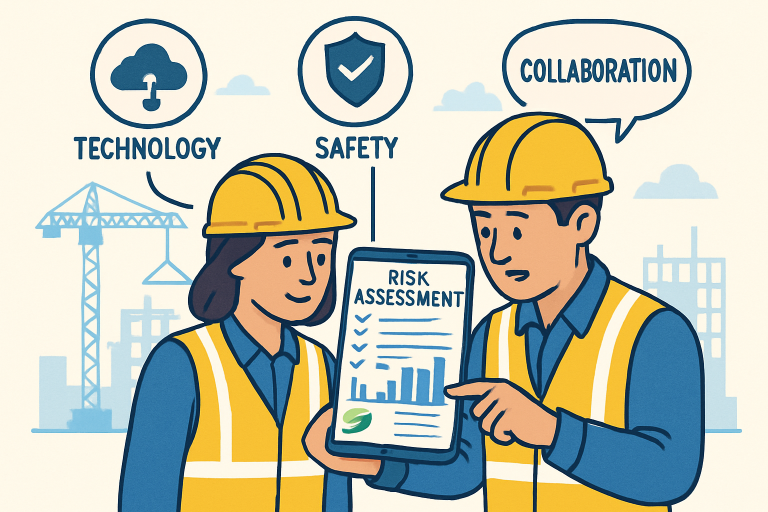
Digital innovation has profoundly altered how construction professionals anticipate and tackle risks. Smart systems equipped with predictive analytics, data visualization, and automated monitoring now provide superior oversight of project status, asset health, and workforce safety.
Artificial Intelligence
AI-driven platforms synthesize historical data, real-time project intelligence, and external inputs—such as weather forecasts or market dynamics—to deliver timely, actionable insights. These platforms can forecast potential weather disruptions before they slow site progress or cause hazardous working conditions. Furthermore, these tools monitor equipment usage trends, flagging anomalies that suggest impending malfunctions and thereby enabling preventive maintenance. By doing so, teams avoid sudden breakdowns that could delay project milestones and inflate budgets. For comprehensive industry analyses, Construction Week Online highlights the influence of AI on construction risk management.
Internet of Things
IoT-enabled devices—ranging from embedded sensors in materials to worker-worn wearables—continuously capture and broadcast essential site data. This information feeds centralized dashboards, giving managers a real-time view of project health, material flows, and environmental safety. IoT sensors also monitor equipment condition and performance, alerting supervisors to potential issues that could lead to unexpected downtime or safety violations. Applications extend to workforce well-being, with IoT-powered wearables able to track vital signs, fatigue, and exposure levels, thereby minimizing the risk of accidents caused by exhaustion or hazardous environments.
Collaborative Approaches to Risk Management
Collaboration is foundational to modern risk management. Integrated Project Delivery (IPD) models offer a cooperative platform where all key stakeholders—owners, design teams, contractors, and trades—jointly identify risk scenarios in advance. Through structured risk workshops and Failure Mode and Effects Analysis (FMEA), these teams create a thorough risk register that covers both technical and operational threats. Real-time quality assurance systems—powered by IoT and digital documentation—enable continuous surveillance of project execution, flagging deviations and enabling immediate corrective action. This collective vigilance not only deters construction defects but also supports the creation of detailed audit trails needed for both regulatory compliance and legal protection. IPD-driven collaboration leads to earlier intervention, integrated knowledge sharing, and a sustained focus on risk prevention.
Case Study: Hudson Tower Project
The Hudson Tower in downtown Chicago demonstrates what can be accomplished when a major construction project is managed with a proactive risk mindset. Faced with an ambitious $280 million budget and the complexities of building a 45-story mixed-use structure in a tight urban setting, the project’s leadership developed a detailed risk register at the planning stage—identifying 127 potential threats. Early use of ground-penetrating radar uncovered unexpected underground utility lines, resulting in design modifications and an estimated $2.1 million in averted change orders and costly delays. The team’s risk strategy also included early procurement and price-lock agreements, a move that shielded the budget from volatile material costs during the project’s 30-month timeline. These initiatives allowed Hudson Tower’s team to deliver on time and on budget, setting a standard for proactive project governance.
Implementing Proactive Risk Identification Strategies
- Conduct Comprehensive Risk Assessments: Evaluate all phases and facets of the project to identify potential risks, leveraging data analysis and stakeholder input.
- Leverage Technology: Deploy AI and IoT systems for predictive analytics and real-time monitoring of on-site activities, equipment, and environmental conditions.
- Foster Collaboration: Engage teams through workshops and regular communication to maintain a shared understanding of risks and mitigation responsibilities.
- Develop Contingency Plans: Create well-structured responses to the risks most likely to affect project timelines or safety, and adjust plans as new information emerges.
- Continuous Monitoring: Implement real-time monitoring tools and frequent review sessions to reassess risks and ensure compliance with mitigation actions throughout the project lifecycle.
Conclusion
Proactive risk identification transforms construction management, allowing companies to prevent rather than merely respond to delays, financial overruns, and safety issues. By embracing cutting-edge technology, institutionalizing a culture of collaboration, and championing strategic foresight, today’s construction leaders can consistently drive projects to successful, secure completion. These tactics reflect evolving best practices that every project stakeholder should consider vital for future growth and resilience.