


Table of Contents
- Enhancing Visibility and Reducing Glare
- Temperature Control and Energy Efficiency
- UV Protection for Health and Interior Preservation
- Privacy and Security Enhancements
- Choosing the Right Window Film
- Professional Installation vs. DIY
- Legal Considerations and Compliance
- Conclusion
Your daily drive should be a refuge—clear, cool, and safe. Many drivers overlook a powerful yet simple upgrade: professional window film. Tinting your windows doesn’t just change how your car looks—it changes how you experience every mile behind the wheel. If you’re seeking transformative comfort and performance, consider pairing window film with ceramic coating for cars in Sterling, VA, which amplifies both protection and aesthetics.
From blinding afternoon glare to interior fading from relentless sunlight, vehicle owners face a series of minor frustrations that often add up. Window film addresses each by offering exceptional clarity, improved comfort, and enhanced overall confidence on the road. Whether managing daily commutes or longer road trips, proper tinting can be as critical as regular maintenance for your vehicle’s longevity and your personal well-being.
For drivers looking for the ultimate in protection and shine, many also ask about automotive ceramic coating near me. It’s a recommended complement for those serious about safeguarding both the interior and exterior of their vehicles, maximizing style and resilience together.
Enhancing Visibility and Reducing Glare
On the open road, clarity of vision is not just a matter of convenience—it’s a critical safety concern. Sun glare and harsh headlights can make even routine drives risky. Professionally installed window film effectively cuts glare, greatly reducing eye fatigue and allowing drivers to focus on the road, not on distractions. This clarity means safer journeys and improved driver confidence, regardless of the time of day or weather conditions. Major sources, such as the National Highway Traffic Safety Administration (NHTSA), highlight that reducing glare can directly reduce accident risk and improve driver reaction times.
Temperature Control and Energy Efficiency
Beat the summer heat—without blasting your air conditioning. Advanced window films reflect a significant portion of infrared heat from the sun, helping to maintain a comfortable cabin temperature. This reduction in interior heat load means your vehicle’s cooling system works less, which can ultimately improve fuel efficiency. Brands like 3M offer films that reject up to 79% of solar heat, underscoring the measurable impact of this technology. These efficiency gains can even help prolong the lifespan of vehicle climate components.
UV Protection for Health and Interior Preservation
Ultraviolet rays can penetrate standard auto glass, posing invisible hazards to vehicle occupants and interior materials. Prolonged UV exposure has been linked to skin aging, sunburn, and increased cancer risk, according to the American Cancer Society. Window film acts as a barrier, blocking up to 99% of UV rays to protect your skin. Simultaneously, it defends your dashboard, upholstery, and electronics from sun damage, fading, and cracking—preserving the appearance and resale value of your investment.
Privacy and Security Enhancements
Privacy on the road is more than a luxury—it’s a security feature. Window tint makes it harder for prying eyes to see inside your car, discouraging opportunistic theft. Security-enhanced window films also hold shattered glass together after impact, reducing the risk of injury in the event of an accident and making forced entry more difficult. These layers of defense bring you and your passengers peace of mind and a heightened sense of personal security.
Choosing the Right Window Film
Window films are not all manufactured with the same goals in mind. Entry-level dyed films may suffice for appearance and minimal glare reduction. Still, higher-end options (like ceramic or metalized films) provide advanced heat rejection, optimal UV protection, and do not interfere with modern vehicle electronics. Select a product that meets your unique needs, factoring in visibility, aesthetics, warranty, and technology compatibility for the best long-term results.
Professional Installation vs. DIY
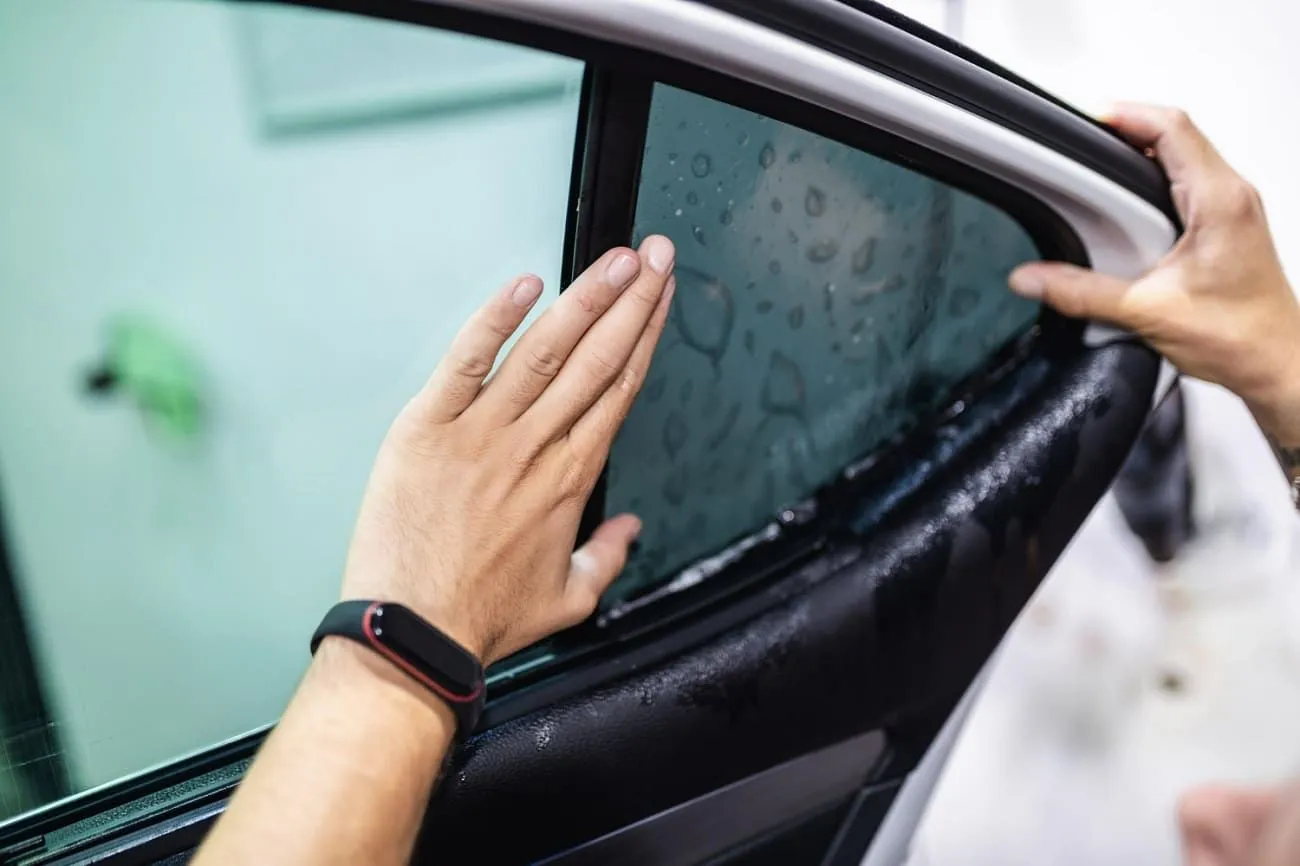
While installing window film yourself may seem cost-effective, nothing matches the precision and durability of professional services. Expert installers have access to superior films, advanced tools, and years of experience. Proper application prevents common mistakes such as bubbles, misalignment, or premature peeling, all of which can severely impact performance and appearance. Additionally, professional installs usually include warranties for added peace of mind and investment assurance.
Legal Considerations and Compliance
Before adding window tint, it’s crucial to check local regulations on visible light transmission (VLT) and the allowable tint percentages for each car window. State and country laws vary widely, and noncompliance can result in fines, inspection failures, or even the required removal of the film. Reference resources such as the National Highway Traffic Safety Administration (NHTSA) or your local DMV for up-to-date compliance requirements in your area.
Conclusion
Installing professional window film is a straightforward step towards transforming your driving experience. By improving optical clarity, managing interior temperature, protecting both health and investments, increasing privacy, and ensuring safety, window tint emerges as an invaluable asset for today’s drivers. To get the best results, invest in high-quality products and reputable professional installation, and stay informed about the legalities in your region. Tinted windows aren’t just about style—they are about substance, security, and peace of mind, mile after mile.