


Key Takeaways
- Clinical trials are indispensable for medical progress, setting the standard for safety and effectiveness of new treatments.
- Innovative technologies, like artificial intelligence, are redefining patient recruitment and trial management.
- Regulatory agencies are using real-time data to streamline the approval of advanced therapies.
- Digital solutions are making participation in trials more accessible for diverse patient groups.
Clinical trials are the foundation of progress in the medical field. They provide rigorous evidence needed to approve new treatments, helping doctors and patients access more effective therapies safely. Through structured research, clinical trials also facilitate rapid innovation, pushing the boundaries of what is possible in healthcare. As more advanced approaches emerge, understanding the importance and evolving nature of these trials becomes crucial for healthcare professionals and patients alike. For more detailed information on specific conditions such as breast cancer, see Clinical trials for breast cancer.
In addition to establishing safety and efficacy, clinical trials foster trust in the medical community. They serve as the gateway for transforming promising discoveries in the laboratory into tangible health solutions for everyday lives. These studies are designed with ethical standards in mind, ensuring patient well-being remains the top priority. This rigorous process reassures patients, caregivers, and healthcare systems that new therapies have undergone comprehensive scrutiny before reaching the broader public.
Modern clinical research is increasingly collaborative, involving academic institutions, government agencies, and biotechnology companies worldwide. These cooperative efforts not only accelerate discovery but also bring together expertise in different medical specialties, benefiting patients through broader treatment options. Developing methods for remote participation and digital patient monitoring is now at the forefront of clinical trial design. For an in-depth look at global clinical trial strategies, refer to resource publications like Nature’s coverage on adaptive clinical trial designs.
The Role of Clinical Trials in Medical Progress
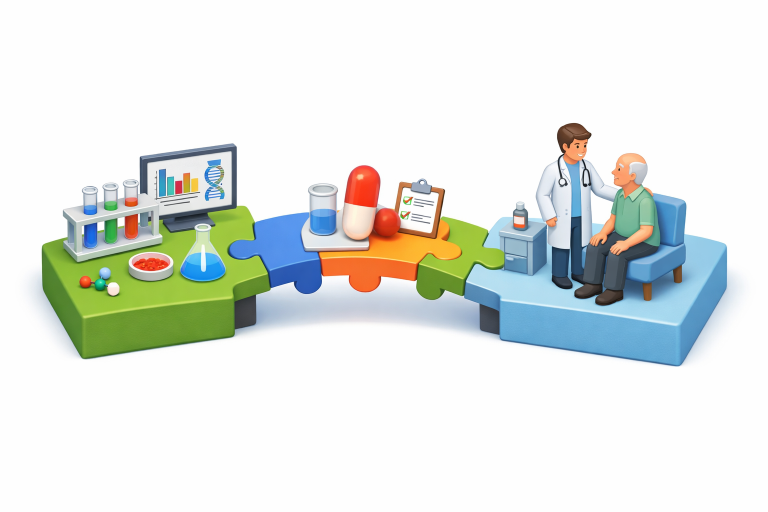
Clinical trials are meticulously planned studies designed to investigate the effects of medical interventions in humans. They can evaluate anything from new pharmaceutical agents to devices, diagnostic tools, and behavioral therapies. The journey from a promising laboratory discovery to a widely available treatment is long and complex: clinical trials form the bridge between science and patient care. Through controlled evaluation, these studies produce the reliable data essential for regulatory review, reimbursement decision-making, and ultimately, broad patient access to new therapies.
These trials are divided into separate phases, each designed to answer specific research questions. Early phases assess safety and optimal dosing, while later stages focus on effectiveness and comparison with current standards of care. Without the rigor of clinical trials, there would be no scientific foundation for approving or rejecting new healthcare solutions, putting patients at risk and stalling innovation.
Integrating Artificial Intelligence in Clinical Trials
Artificial intelligence is revolutionizing clinical trials, making them faster, more accurate, and less costly. AI systems can quickly process enormous amounts of health data to identify eligible patients, speeding up recruitment, a traditional bottleneck in clinical research. For example, the Memorial Sloan Kettering Cancer Center demonstrated that AI-driven patient-matching systems can supplement and even enhance human expertise by finding suitable participants more efficiently. This type of automation not only streamlines the process but also opens clinical trials to wider and more diverse populations.
Additionally, AI-powered analytics provide researchers with predictive models to assess trial outcomes based on real-world patient data. This ability can help clinicians anticipate which therapies are likely to work best for specific individuals, paving the way for more personalized medicine.
Real-Time Data Monitoring by Regulatory Agencies
The adoption of real-time data monitoring by bodies like the US Food and Drug Administration is reshaping clinical trial administration. Instead of waiting months or years for complete datasets, regulators can now access interim results as they become available. This approach enables quicker, data-driven decision-making and helps identify safety issues early on. The FDA has reported that this strategy could reduce total clinical trial durations by up to 40 percent, making the process faster for life-saving therapies to reach patients who need them most.
By leveraging tools that securely transmit and analyze trial data, regulators maintain oversight throughout the study lifecycle. This approach preserves stringent safety standards while simultaneously expediting access to innovative drugs, particularly for conditions where treatment options remain limited or urgent needs exist.
Enhancing Patient Recruitment Through Digital Platforms
One of the most significant hurdles in running successful clinical trials is recruiting a diverse group of participants within a reasonable timeframe. Digital platforms address this challenge by reaching more patients and reducing participation barriers. In the United Kingdom, digital solutions now enable National Health Service general practices to coordinate and conduct trials more transparently and inclusively, tapping into underrepresented communities.
These platforms link securely with electronic medical records, transferring relevant data automatically, and thereby diminishing manual work for healthcare teams. As a result, more patients can participate, trials can include broader demographics, and research can proceed with greater efficiency. Improved recruitment technology ultimately enhances the validity and applicability of clinical trial findings for the global patient population.
Addressing Challenges in Clinical Trials
Despite dramatic advances, the field still faces enduring challenges. Patient recruitment, retention, and diversity are persistent obstacles that can delay or derail studies. Logistical and financial constraints, particularly for smaller organizations or rare disease research, add further complexity. Ethics remain paramount: balancing scientific rigor with patient rights and safety requires constant vigilance and adaptation to new technologies.
The future success of clinical trials will depend on addressing these difficulties through innovative collaboration, technology, and policy reform. Stakeholders must work together to ensure every patient can access trial opportunities, regardless of background or geography, and that studies remain robust and ethically sound.
The Future of Clinical Trials
The next era of clinical trials is already taking shape. Virtual and decentralized trial models are making participation easier for patients by reducing the need for in-person site visits. Real-world data and adaptive designs allow trials to evolve dynamically as new information becomes available, enhancing both efficiency and relevance. Leveraging digital monitoring tools, healthcare providers can offer personalized support and collect valuable data without interrupting patients’ daily lives.
As technology continues to advance, the integration of wearable devices, telemedicine, and secure data-sharing will foster more patient-centric research. These developments are not just improving trial mechanics. They are also ensuring that the insights gained translate into better treatment options more quickly for people around the world.
Conclusion
Clinical trials are the gateway from scientific discovery to patient benefit. As innovations in artificial intelligence, real-time data access, and digital recruitment transform the field, these studies are becoming more streamlined and inclusive. Embracing both high-tech solutions and human-centered approaches ensures that clinical trials remain the cornerstone of safe, effective, and equitable medical progress for future generations.